
LDPE LFI2125A
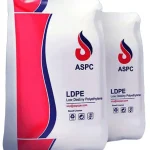

| Product Name | Low-Density Polyethylene (LDPE LFI2121) |
|---|---|
| Grade | LFI2121 |
| Equivalent Grades | SABIC 2102H0W, LFI2102, LDPE LFI2121 |
| Product Group / Family | LDPE Wire & Cable Insulation / Sheathing |
| Density | 921 kg/m³ (0.921 g/cm³) |
| Melt Flow Index (MFI @ 190 °C / 2.16 kg) | 1.9 – 2.1 g/10 min |
| Producer / Manufacturer | Arya Sasol Petrochemical Company (ASPC) |
| HS Code | 39011030 — Polyethylene with specific gravity < 0.94 |
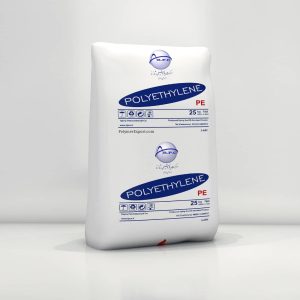
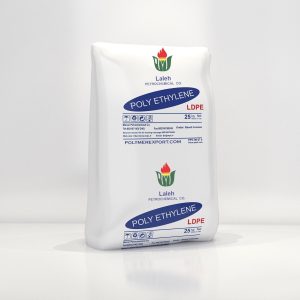
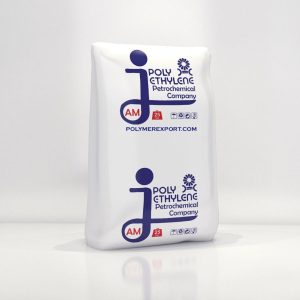
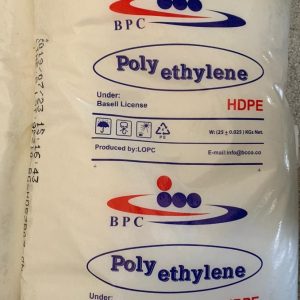
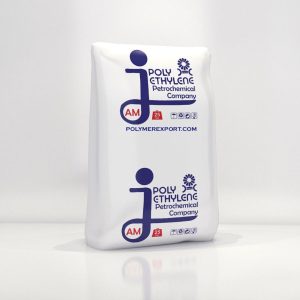
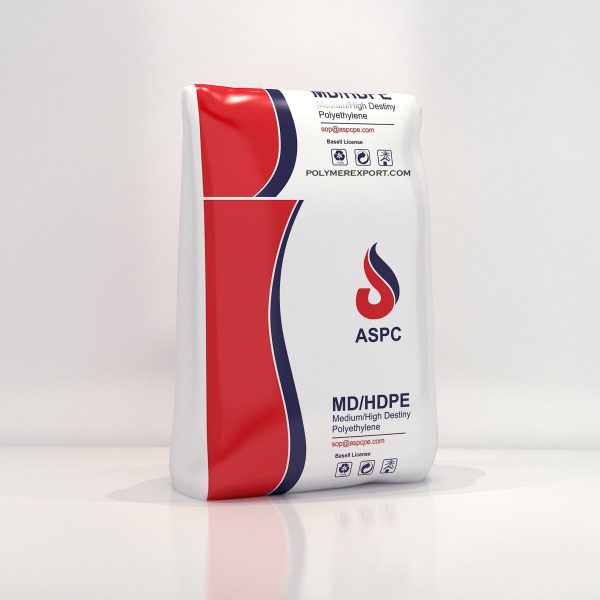
| Packaging | 25 kg Bags, Shrink-Wrapped Wooden Pallets (55 Bags / 1,375 kg Net Weight) |
| Supplier | MizanPetroGas Company |
| Commercial Contact | 09155118932 (Direct WhatsApp Contact) |
- Description
Description
Low-Density Polyethylene — LDPE LFI2121
High-Performance Cable Insulation & Sheathing Grade LDPE — Producer: Arya Sasol Petrochemical Company (ASPC) | Supplier: MizanPetroGas Company
Product Introduction
LDPE LFI2121 is a specialized, high-purity low-density polyethylene grade engineered specifically for power cable insulation, telecommunication jacketing, and wire sheathing. Produced by Arya Sasol Petrochemical Company (ASPC) using tubular high-pressure technology and supplied internationally by MizanPetroGas Company, this grade provides reliable dielectric insulation, low dissipation factor, and smooth extrusion rheology at elevated line speeds.
Formulated with high cleanliness standards and tailored antioxidant stabilization, LDPE LFI2121 protects conductors from moisture intrusion, chemical exposure, and dielectric breakdown in low-voltage and medium-voltage electrical cable systems.
MizanPetroGas | 09155118932 | sell@mizanpetrogas.com
Pricing and Purchasing LDPE LFI2121
Commercial pricing for LDPE LFI2121 tracks international ethylene benchmarks, energy feedstock indexes, and global wire & cable resin allocations. Packaging, freight logistics, and delivery terms are coordinated per order specifications. For current spot quotations, batch Certificate of Analysis (COA), and supply agreements, contact the commercial department at MizanPetroGas.
Technical Profile and Structural Properties
LDPE LFI2121 is synthesized via tubular high-pressure free-radical polymerization of high-purity ethylene monomer. With a nominal Melt Flow Index (MFI) of 2.1 g/10min (at 190°C / 2.16 kg) and a calibrated base density of 0.921 g/cm³ (921 kg/m³), the polymer architecture exhibits a controlled distribution of long and short-chain branching that ensures low die swell, uniform cross-sectional cable wall thickness, and high drawdown speeds without melt fracture.
The resin is reinforced with a balanced phenolic/phosphite antioxidant system to inhibit thermal-oxidative degradation during extrusion and prevent copper-catalyzed aging in direct contact with metallic conductor cores.
Key Features
- Optimized for High-Speed Wire & Cable Extrusion
- High Dielectric Strength & Volume Resistivity
- Low Dielectric Constant and Dissipation Factor ($\tan \delta$)
- Calibrated MFI (2.1 g/10min) for Smooth Melt Rheology
- Density: 0.921 g/cm³ (921 kg/m³)
- Effective Antioxidant Thermal Stabilization Package
- High Environmental Stress Cracking Resistance (ESCR)
- Low Moisture Permeability and Zero Water Absorption
- Uniform Extrudate Surface and Tight Gauge Control
- High Flexibility and Low-Temperature Impact Toughness
- Supplied in High-Cleanliness Natural Pellet Form
- 100% Recyclable Thermoplastic Polymer
Key Advantages
Dielectric Integrity
Delivers high electrical resistance and low dielectric loss for low-to-medium voltage conductor cores.
High-Speed Extrusion
MFI of 2.1 g/10min provides low extruder torque, low head pressure, and high linear insulation line speeds.
Thermal Aging Stability
Integrated antioxidant package protects the polymer matrix against thermal oxidation during extrusion and continuous service.
Moisture & Ingress Barrier
Non-polar polyolefin structure prevents water migration, preserving insulation resistance in wet and underground conduits.
Flexibility & Toughness
Maintains bending flexibility and notch toughness at sub-zero temperatures, preventing jacket cracking during installation.
Conductor Adhesion & Strippability
Provides uniform adhesion to metallic conductors while allowing clean strippability during field cable termination.
Applications and Target Industries
Wire, Cable & Electrical Infrastructure
Low-Voltage Power Cables
Primary core insulation for low-voltage (LV) building wires, domestic installation cables, and distribution networks.
Telecommunication & Data Wires
Dielectric insulation and outer protective sheathing for copper telecom pairs, signal cables, and coaxial cores.
Control & Instrumentation Cables
Insulation and protective jackets for industrial automated control lines, sensor wiring, and switchboard leads.
Automotive Harness Wiring
Flexible, lightweight primary insulation for low-voltage automotive wiring harnesses and battery leads.
Submarine & Underwater Cables
Moisture-impermeable bedding and sheath layers in specialized marine and submersible electrical wiring.
Cable Compounding & Masterbatches
Base polymer carrier for specialized flame-retardant (HFFR), crosslinkable (XLPE), and carbon black masterbatches.
Target Customer Segments
Power Cable Manufacturers
Plants producing building wires, industrial energy cables, and utility power distribution lines.
Telecommunication Cable Producers
Facilities extruding telephone cords, data communication lines, and signal transmission wires.
Automotive Wire Extruders
Manufacturers supplying low-voltage wire harnesses and electrical components to the automotive industry.
Cable Compounders
Specialty compounders formulating crosslinkable PE (XLPE), halogen-free flame retardant (HFFR), and conductive compounds.
Polymer Distributors & Traders
Trading houses supplying prime virgin specialty polyethylene to regional wire and cable extrusion facilities.
Industrial Extrusion Plants
Converters manufacturing small technical tubes, wire conduits, and profile extrusions requiring tight tolerances.
ℹ️ Processing Note for Cable Extruders: To achieve optimal dielectric breakdown strength, maintain high clean-room standards around resin feed hoppers to eliminate airborne particulate contamination. Conductor pre-heating (100–120°C) is recommended to improve concentric adhesion and eliminate thermal shock voids.
Typical Technical Specifications (Typical Properties)
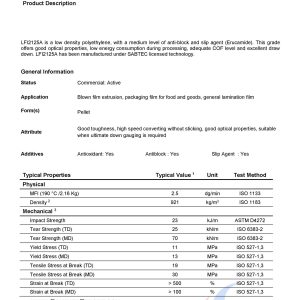
| No. | Property | Typical Value | Unit | Test Method |
|---|---|---|---|---|
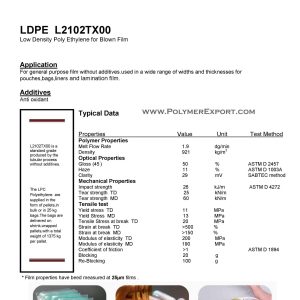
| 1 | Melt Flow Index (MFI @ 190°C / 2.16 kg) | 2.1 | g/10 min | ISO 1133 / ASTM D1238 |
| 2 | Density @ 23°C | 0.921 (921) | g/cm³ (kg/m³) | ISO 1183 / ASTM D792 |
| 3 | Tensile Strength @ Break | ≥ 14 | MPa | ISO 527-2 / ASTM D638 |
| 4 | Elongation @ Break | ≥ 550 | % | ISO 527-2 / ASTM D638 |
| 5 | Dielectric Strength | ≥ 20 | kV/mm | IEC 60243-1 / ASTM D149 |
| 6 | Dielectric Constant (1 MHz) | ~ 2.28 | — | IEC 60250 / ASTM D150 |
| 7 | Dissipation Factor ($\tan \delta$ @ 1 MHz) | ≤ 2.0 × 10⁻⁴ | — | IEC 60250 / ASTM D150 |
| 8 | Volume Resistivity @ 23°C | ≥ 1016 | $\Omega\cdot\text{cm}$ | IEC 60093 / ASTM D257 |
| 9 | Vicat Softening Temperature (A/50) | 94 | °C | ISO 306 / ASTM D1525 |
| 10 | Melting Point ($T_m$) | 110 | °C | DSC (ISO 11357-3) |
| 11 | ESCR (100% Igepal, $F_{50}$) | > 50 | hours | ASTM D1693 |
| 12 | HS Code | 39011030 | — | Polyethylene with specific gravity < 0.94 |
| 13 | Recommended Melt Temperature | 160 – 200 | °C | Extrusion Guideline |
Technical Property Interpretations
- MFI 2.1 g/10min: Ensures balanced melt viscosity and low extruder head pressure during high-speed wire coating.
- Density 0.921 g/cm³: Delivers high flexibility and impact resistance across cold-weather cable bending.
- Dielectric Strength ≥ 20 kV/mm: Confirms reliable insulation breakdown barrier for electrical conductors.
- Dissipation Factor ≤ 2.0 × 10⁻⁴: Minimizes signal attenuation and energy loss in communication wiring.
- Elongation ≥ 550%: Ensures mechanical toughness, accommodating severe bending and installation pulling stress.
Conceptual Performance Profile
Processing Guidelines — Cable Sheathing & Insulation
- Extrusion Melt Temperature: Recommended profile from 160 °C to 200 °C (Feed: 150°C, Compression: 170°C, Metering: 185°C, Die: 195–200°C).
- Conductor Pre-Heating: Recommended conductor pre-heat between 100 °C and 120 °C to ensure void-free insulation bonding.
- Cooling Trough Gradient: Use a graduated multi-zone water bath (gradient from 60°C down to 20°C) to prevent internal micro-void formation and surface stress cracking.
- Screw Design: Standard single-screw extruders with L/D ratio of 24:1 to 30:1 and barrier flight geometry are recommended for uniform melt homogenization.
Packaging, Storage & Handling
- Packaging Format: Supplied in standard 25 kg multi-layer polyethylene bags; palletized on shrink-wrapped wooden pallets (55 bags / 1,375 kg net weight) under HS Code: 39011030.
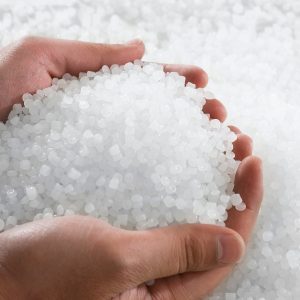
- Physical Form: Natural translucent spherical polymer pellets / granules.
- Storage Warehouse: Store in a clean, cool, and dry sheltered warehouse away from direct sunlight, rain, and dust sources.
- Temperature Control: Maintain ambient warehouse temperatures below 40 °C to preserve thermal stabilizer efficacy.
- Shelf Life: Retains full mechanical and dielectric properties for up to 24 months from manufacture date in original sealed packaging.
Order LDPE LFI2121 — Request Official Quotation
Contact MizanPetroGas for current spot pricing, inventory status, Certificate of Analysis (COA), and direct factory supply.
09155118932 — Direct WhatsApp Contact
Supplied from Arya Sasol Petrochemical Company (ASPC) | Ex-Warehouse Delivery + Nationwide & Export Shipping