


Petroleum Products, Gas, and Lubricants – Pillars of Global Energy Trade
In the global energy market, "petroleum products, gas, and lubricants" constitute one of the most critical commodity groups for international trade, industrial feedstock supply, and meeting energy and production needs. This category includes high-consumption fuels, commercially valuable refinery cuts, and raw materials for the lubricants value chain; products whose pricing, quality, logistics, and standards are directly influenced by refining conditions, seasonal demand, transportation costs, and regional supply-demand gaps.[1][2][3]
LPG is recognized in the global market as a dual-purpose commodity: it serves both as a final fuel for residential and industrial use and as a key feedstock for petrochemical units, while propane and butane are traded separately or as commercial blends, exhibiting different price behaviors depending on season, climate, and end-use.[1][4][5] On the other hand, Diesel Fuel EN 590 / Euro 5 is a fully standardized product whose characteristics—such as low sulfur content, suitable cetane number, density, and cold-weather performance—directly affect its usability and acceptance in import markets.[7][11]
Market Outlook and Economic Logic of This Category
This commodity group is commercially attractive because it creates value across three layers:
- Energy layer: LPG and diesel as high-consumption, globally tradable fuels.[1][4]
- Refining and blending layer: propane, butane, and diesel blend components with high sensitivity to quality specifications.[1][7]
- Lubricants industry layer: base oil and lube cut, which serve as feedstock for engine oils, industrial oils, hydraulic fluids, and greases, and are dependent on refining capacity, cut quality, and viscosity.[10][15]
LPG remains one of the largest and most active energy markets, with recent reports indicating global consumption volumes in the range of hundreds of millions of tons per year; its international trade is also highly significant, with propane typically accounting for a major share of global trade.[2][4][9] This underscores the critical importance of sustainable supply capability, origin diversification, quality control, and flexibility in packaging and transportation.[1][4][9]
Professional Comparison Table (Optimized)
| Indicator | LPG | Propane | Butane | Diesel EN 590 | Base Oil | Lube Cut |
|---|---|---|---|---|---|---|
| Market Role | Fuel and petrochemical feedstock[1][4] | Light component of LPG and industrial feedstock[1][5] | Heavy component of LPG and blending[1][5] | Standard transportation fuel[7][11] | Lubricant feedstock[10][15] | Intermediate refinery product for base oil[10][15] |
| Seasonal Sensitivity | High[1][5] | High[1][5] | High[1][5] | Moderate to high[7][8] | Low to moderate | Moderate |
| Quality Sensitivity | High | High | High | Very high[7][11] | Very high | Very high |
| Primary Market | Consumer, industrial, petrochemical[1][4] | Fuel/petrochemical[1][5] | Fuel/blend/industry[1][5] | Transportation and logistics[7][11] | Lubricant production | Refining and blending |
| Commercial Advantage | High tradability[4][9] | High liquidity[2][4] | Flexibility across various markets[1][5] | Market standardization[7][11] | High added value | Connection to the value chain |
Relative Share and Quality Sensitivity Chart
Relative Functional Share in the Value Chain
Quality Sensitivity Intensity
Overall, petroleum products, gas, and lubricants present traders and industrialists with a broad spectrum of value, risk, and opportunity. Awareness of seasonal behavior, quality indicators, and supply chain dynamics is a winning advantage for successful participation in the global market for these commodities.
Everything You Need to Know About LPG Gas
LPG – Liquefied Petroleum Gas, a Strategic Product in the Energy and Petrochemical Industry
LPG, or Liquefied Petroleum Gas, is one of the world's most important hydrocarbon products and holds a position in the professional energy market that goes far beyond that of an ordinary fuel. This product simultaneously serves as a final fuel, industrial feedstock, export commodity, and balancing instrument within the refining and gas processing value chain; for this reason, it is regarded in international trade as one of the most sensitive and volatile energy products. LPG typically consists of a blend of propane and butane, and depending on the ratio of these two components, its technical behavior, price, application, and even target market change accordingly.
What Exactly Is LPG?
LPG is a mixture of light hydrocarbons, primarily composed of propane and butane, which is liquefied under pressure. This very characteristic dramatically reduces its volume for transportation and storage, making it far more economical logistically than transporting gas in a compressed state.
In terms of application, LPG is used both as a domestic and industrial fuel and as feedstock for certain petrochemical units and energy conversion processes across upstream and downstream value chains.
Where Is LPG Produced From?
LPG is obtained through two primary pathways: crude oil refining and the processing of natural gas and gas condensates. In the refining pathway, this product is separated during the distillation and refining of crude oil; in the gas pathway, it is obtained from natural gas and NGL fractionation and processing units.
These two sources have turned LPG into a product dependent on both the oil and gas industries; consequently, its supply is not tied to a single market and is fed from several different chains.
Which Complexes in Iran Produce LPG?
Iran is one of the key LPG players in the region, with its production capacity supplied by refineries, gas complexes, and petrochemical facilities. Based on published information, the most important LPG production or supply centers in Iran include the following:
| Complex / Company | Role in LPG Production | Description |
|---|---|---|
| South Pars Gas Complex | Major LPG production from natural gas | One of the most important LPG sources in the country |
| Gas and refining complexes in Assaluyeh and southern Iran | LPG fractionation and supply | Cover a large portion of Iran's production |
| Fajr Jam | Increased LPG production from sour gas and gas processing | One of the key gas centers in southern Iran |
| Bandar Imam Petrochemical | Petrochemical LPG production | One of the major domestic and export suppliers |
| Kharg Petrochemical | LPG production and export | One of the key LPG producers in Iran |
| Abadan, Bandar Abbas, Lavan refineries and several other refineries | Refinery LPG production | Part of the country's supply portfolio |
| NIOC/NIOPDC and affiliated trading companies | Supply and export management | Commercial and distribution role in the market |
Some reports also highlight Iran's considerable daily LPG production capacity, with the southern region and gas complexes playing a pivotal role in the export of this product.
Why Is LPG Important for a Professional Buyer?
LPG's importance is not limited to energy consumption; this product is one of the boundary commodities between energy, petrochemicals, and international trade.
For a professional buyer, LPG is particularly significant for the following reasons:
- Capability of large-scale supply
- Variety in propane/butane ratios
- Availability of sea, land, and rail delivery options
- Sustained demand in both domestic and international consumer markets
- High price sensitivity to season, regional hubs, and shipping conditions
- Possibility of direct consumption or use as production feedstock in downstream industries
Key Factors Determining LPG Prices
LPG prices are influenced by numerous variables, which makes its market more complex than many other products. The most important factors include:
- Feedstock price: crude oil, condensates, and natural gas prices directly affect production costs.
- Propane-to-butane ratio: propane and butane do not share the same market value, and the product composition can alter the price.
- Consumption season: in winter, demand for propane typically rises, driving up prices in many markets.
- Distance to export hubs: proximity to or distance from ports and pricing centers such as regional hubs changes the final cost.
- Transportation and insurance costs: LPG carriers, road tankers, rail, and pressurized storage each incur different costs.
- Market inventory and supply disruptions: reduced reserves or disruptions in maritime routes push prices higher.
- Quality and technical specifications: vapor pressure, sulfur content, free water, and product purity are crucial for market acceptance.
Share of Various Factors in LPG Pricing
How Is LPG Transported?
Due to its pressurized liquefied nature, LPG is transported using specialized equipment, and any logistical error can create serious safety risks. Common transportation methods include:
- LPG carriers for maritime export
- Pressurized road tankers for land distribution
- Rail tank wagons for domestic and regional routes
- Pressurized storage tanks at terminals and distribution centers
In transportation standards, attention to tank compatibility, working pressure, valves, hoses, and loading/unloading safety is essential. For this reason, LPG is one of those products requiring precise technical control in both production and transport.
How Do Domestic and International LPG Markets Differ?
In the domestic market, LPG is primarily defined by household, industrial, and agricultural consumption needs and supply stability. In this market, supply stability and distribution management are of great importance.
In the international market, LPG is a fully commercial and competitive commodity measured by criteria such as FOB, CIF, regional hubs, quality, propane/butane ratio, and continuous supply capacity.
For this reason, an LPG export buyer does not look solely at price; they also pay attention to origin, analysis, supply volume, loading conditions, vessel type, and the capability for regular delivery.
LPG's Position in the Energy Value Chain
What Position Does LPG Hold in the Energy Value Chain?
LPG sits at a point that connects oil, gas, and petrochemicals.
On one hand, it is a byproduct of refining and processing; on the other, it is itself an export commodity with high commercial value. In some chains, LPG is consumed directly, while in others it enters a higher value chain as industrial or petrochemical feedstock.
This very characteristic has turned LPG into a strategic, flexible, and highly important product for regional markets.
- LPG is not merely a fuel; it is a multipurpose commodity across energy, petrochemicals, and trade.
- The propane-to-butane ratio determines the application and final price of the product.
- LPG transportation and storage require pressurized equipment and special safety standards.
- Its pricing depends on several global and regional variables, and its fluctuations exceed those of other products.
- In the domestic market, supply and distribution stability matter; in the international market, quality, capacity, and delivery terms play a central role.
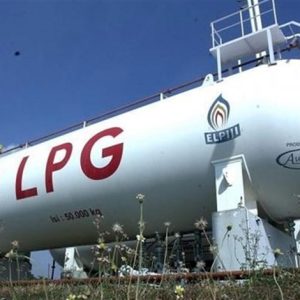
Butane: A Key Product in the LPG and Petrochemical Chain
Propane – A Key Independent Component in Energy Trade
Propane is a light hydrocarbon from the alkane family and one of the main components of the LPG basket, yet it is also traded independently in global markets.[1][2][7] Under normal conditions, this product exists as a gas, but it readily converts to liquid under pressure — a characteristic that makes its storage, transportation, and export highly practical and economical.[4][12] Due to its cleaner combustion compared to many fossil fuels, propane finds extensive application in heating, industrial, agricultural, and transportation sectors, as well as serving as process feedstock in the petrochemical industry.[4][5][12]
How Is Propane Produced?
Propane is primarily obtained from two main sources: natural gas processing and crude oil refining.[4][12] Consequently, its production volume depends directly on the capacity of refineries, gas complexes, and natural gas liquids (NGL) separation units. Propane production tends to be more consistent throughout the year than some seasonal fuels, but its price is heavily influenced by global supply, export capacity, and the state of consumer markets.[12]
In Iran, propane is also produced by major gas and petrochemical complexes. Industrial and news sources cite South Pars Gas Complex, Bandar Imam Petrochemical, Bidboland Gas Refinery, Kharg Petrochemical, and certain gas and refining units in southern Iran as important propane producers or suppliers.[1][2][6][8][15] In some units, propane also plays a strategic role as feedstock for PDH projects producing propylene.[1][3]
Which Petrochemical and Industrial Complexes Produce Propane in Iran?
- South Pars Gas Complex: One of the largest propane producers in Iran and the region, with very high output in the NGL chain.[15]
- Bandar Imam Petrochemical: A major propane producer in the country and a key export player.[1][6][8]
- Bidboland Gas Refinery: Considered an important propane production source within the gas and NGL chain.[1][2]
- Kharg Petrochemical: One of the well-known complexes in propane and butane production and export.[6]
- Various gas and refining complexes in southern Iran: Which include propane in their production portfolio through NGL and gas processing.[2][6]
This diversity of producers provides good flexibility to Iran's domestic and export markets, and for buyers, it signals the existence of multiple supply sources.
What Factors Determine Propane Prices?
Propane prices depend on several key variables and rarely remain constant.[7][9][12] The most important factors include:
- Upstream feedstock prices: Propane originates from refining and gas processing, so fluctuations in crude oil and natural gas prices affect it.[9][10][12]
- Global supply and demand: Rising winter demand, petrochemical demand, or supply constraints drive prices upward.[5][7][12]
- Transportation costs and access to export hubs: Delivered prices at destination differ significantly based on freight and export routes.[7][12]
- Regional pricing and benchmark contracts: Particularly in Asian, European, and Middle Eastern markets, prices fluctuate based on hubs and monthly contracts.[7][11]
- Geopolitical conditions and trade risk: Disruptions in shipping routes, sanctions, insurance, and export restrictions create risk premiums.[7][11]
- Quality and technical specifications: Purity, composition ratio, vapor pressure, and delivery standards affect the final price.[4][12]
How Is Propane Transported?
Due to its ability to liquefy under pressure, propane is transported using specialized infrastructure.[12] The main transportation methods include:
- Dedicated LPG / Propane Carrier vessels
- Pressurized road tankers
- Rail tank wagons
- Pressurized storage tanks at terminals and distribution centers[12]
In export markets, propane is often shipped in bulk under pressure or semi-refrigerated conditions. In the domestic market, cylinder or tanker distribution is common for industrial and retail uses. Due to its high flammability, controlling pressure, leakage, ventilation, and adhering to safety standards throughout the entire transport chain is essential.[12]
How Do Propane's Domestic and International Markets Compare?
Iran's domestic propane market is primarily characterized by industrial consumption, feedstock supply, heating applications, and local distribution. In this market, supply stability and sustained access are of high importance. In contrast, the international propane market is fully commercial, competitive, and export-oriented, with prices determined by criteria such as FOB/CIF, freight costs, regional benchmark rates, and global market conditions.[7][11][12]
Globally, propane gains particular importance during cold months and in markets with high dependence on LPG.[5][7] Additionally, in the petrochemical industry, propane can serve as feedstock for PDH units producing propylene, further elevating its strategic value.[1][3]
- Production source and diversity of supply origins
- Purity and technical specifications (minimum 95% propane)
- International delivery standards (GOST, ASTM, etc.)
- Transport and safety conditions (pressure, temperature, ventilation)
- Continuous supply capacity in monthly or seasonal contracts
- Import regulations and tariffs of the destination country
Butane: A Key Product in the LPG and Petrochemical Chain
Butane – A Strategic Commodity in the Energy Chain
Butane is one of the most important light hydrocarbons in the energy market, traded both independently and as part of LPG. Due to its ability to liquefy under pressure, this product holds high value in storage, transportation, export, and as feedstock for downstream industries. In the professional market, butane is not merely a fuel; it is a strategic commodity with multiple applications across energy, petrochemicals, and fuel blending.[1][5][9][14]
What Is Butane and What Are Its Characteristics?
Butane is a four-carbon hydrocarbon known in two primary forms: normal butane and isobutane. At ambient temperature, this product exists as a gas, but under pressure it readily converts to liquid — a property that enables safe and economical handling in pressurized tanks, tankers, and dedicated vessels.[1][13] Compared to propane, butane typically carries different value in certain industrial applications and LPG blends, and in some markets it gains particular importance for blending and petrochemical feedstock due to its physical and commercial behavior.[1][5][9]
Where Is Butane Produced?
Butane production primarily follows two pathways: natural gas processing and crude oil refining.[1][10] In Iran, a significant portion of butane production is supplied from the country's southern gas chain and major gas and petrochemical complexes. According to published reports, South Pars Gas Complex is one of the largest butane producers in Iran, with production exceeding millions of tons per year in recent periods.[1][5] Additionally, Kharg Petrochemical, Bandar Imam Petrochemical, active petrochemical companies in the Assaluyeh and Mahshahr regions, and certain processing and petro-refining units also play a role in the butane production or supply chain.[2][6][9][14][15]
Key Butane Producers/Centers in Iran
| Complex / Company | Role in Butane Chain | Description |
|---|---|---|
| South Pars Gas Complex | Major butane producer | One of the primary butane sources in Iran and the region[1][5] |
| Kharg Petrochemical | Production and export | A well-known player in butane exports[14] |
| Bandar Imam Petrochemical | Production in the NGL/LPG chain | Supplies part of the country's butane[9] |
| Assaluyeh gas units | Processing and separation | Hold a significant share in LPG and butane production[1][13] |
| Certain petro-refining and gas projects in the south | Production and chain completion | Play an incremental role in the country's supply capacity[11][15] |
The multiplicity of producers in Iran has given the butane market high flexibility and significantly reduced single-source risk.
In Which Industries Is Butane Consumed?
Butane has diverse applications. In many markets, it is used as a domestic and industrial fuel in cylinders and energy distribution systems. In industry, butane serves as feedstock or a blending component in the production of chemicals, blended fuels, and certain refinery products.[1][9][15] Isobutane also plays a role in certain petrochemical chains and conversion processes into higher value-added products.[9][15]
What Factors Determine Butane Prices?
Butane prices are not driven by a single factor but are influenced by several key variables:
- Upstream feedstock prices: Fluctuations in crude oil, natural gas, and gas condensate prices directly affect butane.[10]
- Supply and demand ratio: Rising demand in cold seasons or growth in industrial demand can push prices higher.[1][4]
- Product type: Normal butane and isobutane do not share the same market value.[9][15]
- Transport costs and export routes: Distance to destination, transport mode, and sea/land freight are highly significant.[1][10]
- Quality and purity: Hydrocarbon composition, impurity levels, and delivery standards affect pricing.[1][13]
- Commercial and geopolitical risks: Export restrictions, insurance, sanctions, and transport disruptions cause price changes.[10]
How Is Butane Transported?
Due to its liquefaction under pressure, butane is transported using specialized infrastructure. Common transport methods include LPG carriers, pressurized road tankers, rail tank wagons, and compressed storage tanks.[1][12] In export markets, butane is often shipped in bulk under controlled pressure. In domestic consumption, cylinder or tanker distribution is common for the distribution network. Adhering to safety standards, pressure control, ventilation, and leak prevention is mandatory at all stages.[12]
How Do Butane's Domestic and International Markets Compare?
Iran's domestic butane market is primarily known for energy distribution, industrial and household consumption, and its role in the LPG basket. In this market, supply stability, distribution network, and safe access are important.[3]
The international butane market, however, is entirely export-oriented and competitive. Global prices are determined by criteria such as FOB/CIF contracts, freight rates, regional hubs, and global supply conditions.[1][10] Due to its geographical position and high gas and petrochemical capacity, Iran is considered one of the region's important butane suppliers.[1][5][14]
Butane's Position in the Value Chain
Butane's Sensitivity to Market Factors
- Clearly specify the difference between normal butane and isobutane in your inquiry.
- Request the butane percentage in the LPG blend and delivery standards from the supplier.
- Include delivery time and continuous supply capacity in the contract.
- Review transport safety conditions, insurance, and certificates of analysis.
- Consider seasonal fluctuations and the global market calendar when timing purchases.
Diesel EN 590: Standard Export Fuel with a Sensitive and Professional Market
Diesel EN 590 – European Standard Diesel
Diesel EN 590, or European Standard Diesel, is one of the most important petroleum products in international trade, consumed as fuel for diesel engines in road transport, marine, industrial machinery, and heavy-duty fleets. In the professional market, this product is not merely a fuel — it is a standardized commodity with high sensitivity to quality, logistics, pricing, and delivery conditions.
What Is Diesel EN 590?
EN 590 is the reference standard for diesel in Europe, and its technical specifications include ultra-low sulfur limits, controlled viscosity, suitable cetane number, safe flash point, and other precise quality indicators. In common export grades, this product is typically offered in two main grades: Euro 4 with a maximum sulfur content of 50 ppm and Euro 5 with a maximum sulfur content of 10 ppm. This small difference in sulfur has a significant impact on market acceptance, pricing, and end-use applications.
Where Is Diesel EN 590 Produced?
Diesel EN 590 is produced from crude oil refining, and its final quality depends on the type of crude oil, refinery configuration, processing depth, and desulfurization units. In Iran, the official production and supply of export-grade diesel is carried out by the National Iranian Oil Refining and Distribution Company (NIORDC/NIOPDC), according to industrial and commercial sources. In export offerings, the feedstock or production origin of this product is cited from the country's major refineries and centers such as Abadan, Bandar Abbas, and Tabriz. This means that Iran's supply chain for Diesel EN 590 relies on the national refining and distribution network, not a single standalone unit.
Which Refineries or Entities in Iran Produce/Supply Diesel EN 590?
For this product, the more accurate term than petrochemical is refinery and the National Iranian Oil Refining and Distribution Company. Based on available information, the key origins seen in the export supply of this product are as follows:
| Origin / Entity | Role in the Diesel EN 590 Chain | Description |
|---|---|---|
| NIORDC / NIOPDC | Production, quality control, and distribution | The primary official body for Iran's petroleum products |
| Abadan Refinery | Feedstock and export diesel supply | One of the sources cited in exports |
| Bandar Abbas Refinery | Production of diesel meeting export standards | Among the sources mentioned in EN 590 supply |
| Tabriz Refinery | Supplying a portion of the diesel basket | One of the origins referenced in the export market |
What Are the Key Technical Specifications of Diesel EN 590?
For the professional buyer, the most critical aspect of this product is its technical specifications. In commercial offerings, the following key characteristics are observed:
- Density @15°C in the range of approximately 820 to 845 kg/m³
- Cetane Index / Cetane Number suitable for improved combustion
- Flash Point minimum 55°C
- Viscosity @40°C in the range of 2.0 to 4.5 mm²/s
- Sulfur at 50 ppm for Euro 4 and 10 ppm for Euro 5
- Lubricity and Water content controlled for engine and injector protection
- Poly Aromatics, Oxidation Stability, and FAME are also important market acceptance indicators.
What Factors Determine Diesel EN 590 Pricing?
The price of this product is heavily dependent on the global petroleum products market and is typically determined on an FOB or CIF basis. The most important pricing factors are:
- Crude oil price and refining costs
- Sulfur level and final product quality
- Transportation costs and delivery route
- Distance to consumption and export hubs
- Regional supply and demand
- Commercial risks, insurance, and export restrictions
In the 2026 market, various sources indicate physical prices for this product in different ranges — from approximately $500 to $1,900 per ton depending on the hub, destination, quality, and contract terms. This disparity demonstrates that in this market, the "reference price" and the "actual delivered price" are two entirely different things.
How Is Diesel EN 590 Transported?
This product is typically transported in bulk via oil tanker vessels, rail tank wagons, and road tankers. In exports, common delivery methods include FOB and CIF, and due to the high volume and liquid nature, storage and loading infrastructure plays a critical role in the supply chain. Compared to LPG, this product is not pressurized, but it remains sensitive to contamination, water, particulates, and temperature control.
Importance of Factors Affecting Price
Base Oil: The Strategic Feedstock of the Lubricants Industry with a Specialized Market and High Value Margin
Base Oil – The Core Material of the Lubricants Industry
Base Oil is the primary material for manufacturing all types of lubricants and is, in fact, the starting point of the value chain for engine oils, industrial oils, hydraulic oils, greases, and many other lubrication products. In the B2B market, Base Oil is not just an oil; it is a standardized industrial commodity whose price, quality, viscosity, purity, and grouping directly affect the performance of the final product.
What Is Base Oil and Why Is It Important?
Base Oil is typically obtained through the deep refining of crude oil and specialized processes such as extraction, hydrofinishing, and deasphalting. Depending on the level of treatment, it is classified into different groups such as Group I, Group II, Group III, and in some cases Group V. The purer, more stable, and less volatile the base oil, the more suitable it is for producing advanced lubricants.
From a market perspective, global demand is shifting toward Group II and Group III, as these groups are more suitable for low-viscosity oils, longer drain intervals, and modern engines. At the same time, the market still requires Group I for certain industrial and traditional applications.
Where Is Base Oil Produced?
Base Oil production depends on refining capacity, treatment technology, and access to suitable feedstock. Globally, Asia and Europe are increasing production capacity, and the 2026 market has entered a period of relative balance with a combination of capacity growth and relatively moderate demand.
In Iran, key players in this sector include Iranol and Tehran Lube Oil Refinery, Sepahan Oil Company, and Tabriz Oil Refinery Company. In its official introduction, Iranol reports the production of Base Oil, industrial and automotive oils, slack wax, extracts, and petrolatum, and its Tehran refinery is recognized as one of the key base oil production units. Sepahan Oil has also been introduced as one of the largest Base Oil producers in the Middle East, with a high annual capacity reported for this product.
Key Base Oil Producers/Centers in Iran
| Company / Complex | Role in the Base Oil Market | Description |
|---|---|---|
| Iranol / Tehran Lube Oil Refinery | Major producer of Base Oil and industrial base oils | One of the most recognized domestic producers |
| Iranol / Abadan Refinery | Production of certain base oil grades | Plays a role in Iranol's production chain |
| Sepahan Oil Company | Major Base Oil producer | One of the key regional players |
| Tabriz Oil Refinery Company | Supplier and exporter of Base Oil | Visible in Iran's export data |
In Which Industries Is Base Oil Consumed?
Base Oil is the main feedstock for producing automotive and industrial lubricants. This product is used in the manufacture of engine oils, gear oils, hydraulic oils, compressor oils, greases, and industrial fluids.
The higher the quality of the Base Oil, the better the oxidation stability, lower evaporation, higher thermal performance, and longer service life of the final oil.
What Factors Determine Base Oil Prices?
Base Oil prices are influenced by several key factors:
- Product group: Group II and Group III typically carry a higher premium than Group I.
- Viscosity and grade: Grades such as SN150, SN300, SN500, and Bright Stock have different prices.
- Refining quality and purity: The clearer, more stable, and lower-sulfur the product, the higher its value.
- Regional supply and demand: With capacity growth in Asia and Europe and relatively moderate demand, the 2026 market faces limited price pressure or price correction in many regions.
- Energy and transportation costs: Feedstock rates, energy, and freight directly affect the final price.
- Trade restrictions and geopolitical risks: In the event of transport route disruptions or rising insurance costs, delivered prices increase.
Price Situation in the 2026 Market
In 2026 market reports, Base Oil prices in various regions have entered a phase of correction and mild downward pressure after previous peaks, and the market has been described as relatively balanced in many hubs. At the same time, demand for Group II and Group III and low-viscosity products continues to grow.
How Is Base Oil Transported?
Base Oil is usually transported in bulk liquid form via road tankers, rail tank wagons, and tanker vessels. Since this product is less hazardous than LPG, its handling is simpler, but serious attention must still be paid to contamination control, temperature, tank cleanliness, and material compatibility. In exports, sales are often made on an FOB or CIF basis, and the choice of delivery method affects the final price.
Importance of Factors Affecting the Base Oil Market
Position in the Market
How Do the Domestic and International Markets Compare?
Iran's domestic Base Oil market is primarily tied to the needs of the lubricants industry, engine oil producers, and industrial units, where supply stability and consistent quality are highly important. In the international market, Base Oil is a fully specialized and competitive commodity where, in addition to price, buyers pay close attention to the Group, SAE/viscosity, color, sulfur, flash point, pour point, and laboratory analysis.
Globally, Asia and Europe remain among the most important supply and consumption regions, and the 2026 market is described as having new capacity growth and stable demand, but without sharp surges.
- Select the base oil group (Group I, II, III) based on the final lubricant application.
- Request a detailed certificate of analysis including viscosity, color, flash point, pour point, and sulfur.
- Review the production origin and the supplier's long-term quality consistency.
- Account for FOB or CIF delivery terms and transport risks in your pricing.
- Consider the impact of crude oil prices and energy costs on base oil pricing in long-term models.
Lube Cut: The Key Lube Fraction in the Base Oil and Industrial Lubricants Production Chain
Lube Cut – The Primary Feedstock for Base Oil Production
Lube Cut is one of the most important fractions obtained from crude oil distillation in refineries and, as the primary feedstock for base oil production, plays a central role in the lubricants value chain. This product is essentially a heavy intermediate cut from crude oil that, after refining and treatment, is converted into Base Oil and subsequently into various engine oils, industrial oils, and greases.
What Is Lube Cut?
Lube Cut refers to the portion of heavy crude oil fractions that falls within the hydrocarbon range suitable for lubrication and is compositionally usable for base oil production. Simply put, Lube Cut is the refinery feedstock that, after specialized treatment and refining operations, is converted into base oil. In industrial sources, this cut has been identified as the primary feedstock for Base Oil.
Why Is Lube Cut Important?
The importance of Lube Cut stems from the fact that its quality and characteristics directly affect the quality of the final base oil. The more suitable its composition, the lower its aromatic content, and the better its behavior in hydroprocessing units, the higher the quality of the final product. For this reason, refineries pay special attention to the precise selection of feedstock and appropriate vacuum distillation cuts to produce higher-value base oils.
Where Is Lube Cut Produced?
Lube Cut is typically obtained from vacuum distillation cuts and, in some chains, from vacuum gas oil and similar heavy feedstocks. These cuts are separated in crude oil refineries and then enter treatment or hydroprocessing units to remove undesirable substances.
In some production chains, deasphalted oil (DAO) is also used alongside Lube Cut as a supplementary feedstock for base oil production.
Which Iranian Complexes Deal with Lube Cut?
In Iran, Lube Cut is seen more within the base oil and lubricants production chain than as an independent final product. Industrial sources and official introductions indicate that Iranol and Tehran Lube Oil Refinery are among the most important players in this field and use various lube cuts to produce base oil.
In Iranol's technical documentation, the use of Lube Cut in various units and the production of base oil grades such as BO 10, BO 20, BO 40, and Bright Stock have also been mentioned.
Role of Key Complexes in the Lube Cut Chain
| Company / Complex | Role in the Lube Cut Chain | Description |
|---|---|---|
| Iranol / Tehran Lube Oil Refinery | Receiving and refining Lube Cut for base oil production | One of the most important base oil producers in Iran |
| Crude oil refineries | Primary production of Lube Cut from vacuum cuts | The main origin of lube feedstock |
| Hydroprocessing units | Upgrading the cut to base oil | Removal of aromatics and improvement of specifications |
| Blending and finishing units | Preparation for final oil production | Converting base oil into lubricant products |
What Are the Applications of Lube Cut?
The primary application of Lube Cut is base oil production, but its importance extends beyond this stage. This cut can play a role in the production chain of the following products:
- Base Oil for engine and industrial oils
- Lubricating oils with various viscosities
- Bright Stock and heavier oil grades
- Feedstock for treatment and refining upgrade units
What Factors Determine Lube Cut Prices?
Lube Cut prices are directly influenced by crude oil prices, cut quality, the heaviness of the cut, and the state of the base oil market. The most important influencing factors include:
- Type of refinery feedstock and crude oil quality
- Cut range and feedstock viscosity
- Aromatic and impurity content
- Treatment and quality-upgrade costs
- Base oil market supply and demand
- Transportation costs and delivery terms
In practice, Lube Cut is a product whose value is defined not only as a raw cut but also as a strategic feedstock for base oil production.
How Is Lube Cut Transported?
Lube Cut is usually transported in bulk liquid form via road tankers, rail tank wagons, and tanker vessels. This product does not pose the same pressure hazards as LPG, but it is sensitive to tank cleanliness, contamination control, and proper temperature. In commercial transactions, delivery can be made on an FOB or CIF basis, and the choice of transport method affects the final price.
Lube Cut's Position in the Value Chain
Factors Affecting Lube Cut Value
How Do the Domestic and International Markets Compare?
In the domestic market, Lube Cut is important primarily as feedstock for base oil and lubricant production units, and supply stability is crucial for producers. In the international market, this cut is traded directly less frequently than Base Oil, but it plays a fundamental role in the refinery export chain, and its price depends on quality, origin, analysis, and delivery terms.
For this reason, professional Lube Cut buyers typically do not look only at price; they also pay attention to chemical composition, compatibility with their treatment unit, impurity levels, and convertibility into base oil.
- Lube Cut quality directly determines the yield and quality of the final Base Oil.
- Aromatic and impurity levels are critically important in supplier selection.
- The compatibility of the lube cut with your hydroprocessing unit must be confirmed before purchase.
- Transport conditions and tank cleanliness are highly effective in preserving product quality.
- Base Oil market developments directly affect Lube Cut pricing and availability.
Prepared based on current industrial data and statistics – for more information, contact energy sector experts.
Do you need bulk supply of this product?
Entrust your supply chain to us with complete peace of mind. To receive a proforma invoice and a quick price inquiry, please contact us.
