
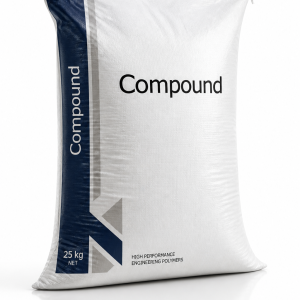


Compound 2119

| Product Name | Low-Density Polyethylene (LDPE 2119 Compound) — LFI 2119 |
|---|---|
| Chemical Family / Formula | LDPE 2119 Compound — Low-Density Polyethylene — $(C_2H_4)_n$ |
| Grade | LFI 2119 Compound (Film Grade) |
| Melt Flow Index (MFI) | 1.9 – 2.1 g/10min (@ 190°C / 2.16 kg) |
| Density | 0.918 – 0.922 g/cm³ (@ 23°C) |
| Melting Point | 108 – 112 °C |
| Physical Appearance | Translucent to Semi-Transparent Granules / Pellets |
| Primary Application | Production of Elastic (Stretch) Films, General Lamination Films & Blown Film Sheeting |
| HS Code | 39011000 — Polymers of Ethylene, in Primary Forms (Density < 0.94 g/cm³) |
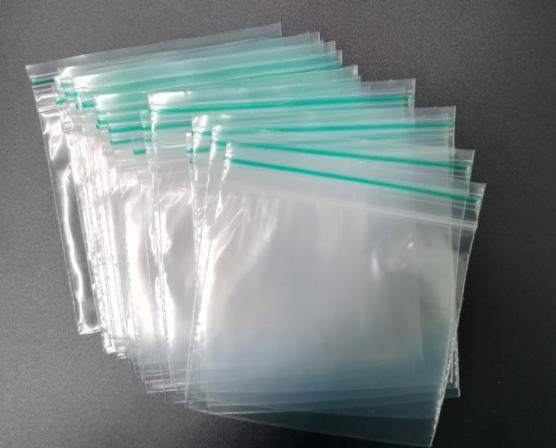
| Packaging Type | Standard 25 kg Multi-Layer Moisture-Barrier Bags (Palletized) |
| Supplier | MizanPetroGas Company |
| Contact | 09155118932 (Direct WhatsApp Contact) |
- Description
Description
Low-Density Polyethylene — LFI 2119 Compound
Specialized resin for elastic & lamination films | High output rate | Superior elongation | Excellent processability — Supplier: MizanPetroGas Company
Product Introduction
LDPE LFI 2119 Compound is an advanced, specialized grade of Low-Density Polyethylene (LDPE) engineered specifically for the production of high-performance elastic and stretch films. Renowned across the plastics converting sector for its remarkable high-output extrusion characteristics and balanced elongation mechanics, this grade delivers dependable processing stability and consistent film quality, supplied directly by MizanPetroGas Company.
The elevated output capability of this compound optimizes line speeds and overall plant productivity, while its balanced molecular architecture guarantees high stretch retention, controlled cling/tack properties, and tear resistance in finished films. LDPE’s branched chain structure provides exceptional flexibility and bubble stability, which LFI 2119 maximizes through an engineered formulation.
MizanPetroGas | 09155118932 | sell@mizanpetrogas.com
Pricing and Purchasing LFI 2119 Compound
Commercial pricing for Low-Density Polyethylene LFI 2119 varies in alignment with international ethylene feedstock benchmarks, crude oil fluctuations, and regional polymer supply dynamics. Logistics and freight schedules are structured based on destination and shipping terms. For real-time spot quotations, technical datasheets, and direct order placement, contact the sales desk at MizanPetroGas.
Technical Profile and Structural Properties
Low-Density Polyethylene (LDPE) is synthesized via high-pressure free-radical polymerization of high-purity ethylene monomer (1,000 to 3,000 bar at 150 to 300°C). The resultant molecular structure contains extensive short- and long-chain branching, which moderates crystalline density to yield a flexible, transparent, and easily processable polymer matrix.
LFI 2119 Compound is formulated specifically to optimize blown film extrusion lines. Featuring a Melt Flow Index (MFI) of 1.9 to 2.1 g/10min and a density of 0.918 to 0.922 g/cm³, it achieves a balanced equilibrium among melt strength, drawability, and bubble stability.
The resin is engineered to deliver simultaneous controlled cling (tack) and elastic recovery in thin and medium-gauge films — critical performance criteria for manual and automated pallet stretch wrap. Its operational melting point of 108 to 112°C facilitates lower extruder barrel temperatures, optimizing overall thermal energy efficiency.
Competitive Advantage: LFI 2119 Compound offers a high volumetric output rate, enabling converters to achieve greater linear meterage per operating hour without sacrificing gauge uniformity. This delivers lower conversion costs per kilogram of finished film, establishing LFI 2119 as a preferred material for high-speed stretch film lines.
Key Features
- High Output Extrusion Rate
- Exceptional Elasticity & Elongation Performance
- Optimized Melting Point & Thermal Profile
- Balanced Cling (Tack) & Stretch Retention
- Smooth & Stable Melt Rheology
- High Tear & Puncture Resistance
- Good Optical Transparency & Low Haze
- High Flexibility at Low Temperatures
- Chemical Resistance to Polar Solvents & Acids
- Negligible Moisture Absorption
- Compatible with Color & Additive Masterbatches
- Engineered for Multi-Purpose Film Extrusion
- High Economic Cost-Efficiency
- 100% Recyclable Thermoplastic Polymer
Key Advantages
High Extrusion Output
Smooth rheological behavior allows higher extruder screw speeds (RPM) without shear overheating, increasing total production volume.
Superior Elastic Recovery
High tensile stretch with low permanent set ensures pallet loads remain tightly secured during transport and warehousing.
Low Processing Energy
A melting range of 108–112°C allows lower barrel heating zones, reducing kilowatt consumption per metric ton converted.
Multi-Layer Compatibility
Readily integrates into multi-layer co-extrusion blown film structures as skin or core layers for customized mechanical properties.
Controlled Surface Cling
Inherent tack properties ensure film-to-film adhesion around pallet corners without leaving tacky residue on palletized goods.
High Bubble Stability
High melt elasticity prevents bubble flutter and gauge variation across diverse Blow-Up Ratios (BUR).
Applications and Target Industries
Elastic & Stretch Film Production
Hand Stretch Wrap
Manual wrapping films offering high stretchability, puncture resistance on sharp edges, and easy unwind characteristics.
Machine Stretch Film
Engineered for semi-automatic and high-speed rotary stretch wrapping machinery requiring high pre-stretch ratios.
Pre-Stretch Industrial Films
Ultra-thin pre-stretched films offering high load-retention force with reduced material usage per pallet.
Lamination & Flexible Packaging
General Lamination Films
Extrusion and adhesive lamination films providing high bond strength to paper, aluminium foil, and BOPP substrates.
Flexible Packaging Films
Pliable, impact-resistant films for packaging consumer goods, textiles, agricultural inputs, and building materials.
Co-Extruded Film Structures
Core and sealing layers in 3-layer and 5-layer co-extruded films to optimize heat sealability and barrier adhesion.
Blown Film & Specialty Covers
General Blown Film
Tubular films for general-purpose bagging, dust covers, and protective sheeting with uniform thickness distribution.
Shrink Wrap Films
Secondary bundling and collation shrink films with balanced machine-direction and cross-direction shrinkage.
Surface Protection Films
Temporary protective films for safeguarding sheet metal, glass, architectural panels, and automotive surfaces.
Target Customer Segments
Stretch Film Manufacturers
Converters operating cast and blown lines for hand wrap, machine roll, and pre-stretch films.
Flexible Packaging Converters
Plants converting multi-layer, barrier, and printed flexible packaging formats.
Blown Film Extruders
Facilities producing general-purpose LDPE tubing, liners, and shrink films.
Lamination & Coating Converters
Converters laminating polyethylene onto paperboard, foils, and oriented polymer films.
Logistics & Packaging Distributors
Wholesale suppliers of protective packaging and pallet-securing stretch consumables.
Surface Protective Film Producers
Manufacturers producing clean-peel masking films for metal, automotive, and glass components.
High Output Rate — Economic & Manufacturing Efficiency
A key advantage of LFI 2119 is its high output rate in extrusion lines. Optimized melt viscosity and thermal stability allow extruders to run at elevated screw speeds without thermal melt degradation or excessive head pressure.
Consistent melt flow reduces line downtime, decreases start-up scrap, and mitigates mechanical wear on screws and gearboxes. This directly lowers operational conversion costs per kilogram of film and enhances operating margins.
Typical Technical Specifications (Typical Properties)
| No. | Property | Typical Value | Unit | Test Method |
|---|---|---|---|---|
| 1 | Melt Flow Index (MFI @ 190°C, 2.16 kg) | 1.9 – 2.1 | g/10min | ASTM D1238 / ISO 1133 |
| 2 | Density @ 23°C | 0.918 – 0.922 | g/cm³ | ASTM D792 / ISO 1183 |
| 3 | Tensile Strength @ Break | 12 – 16 | MPa | ASTM D638 / ISO 527-2 |
| 4 | Elongation @ Break | 500 – 650 | % | ISO 527-2 / ASTM D638 |
| 5 | Flexural Modulus | 150 – 250 | MPa | ASTM D790 / ISO 178 |
| 6 | Melting Temperature ($T_m$) | 108 – 112 | °C | DSC (ISO 11357-3) |
| 7 | Vicat Softening Temperature (A/50) | 90 – 95 | °C | ISO 306 / ASTM D1525 |
| 8 | Recommended Extrusion Temperature | 160 – 200 | °C | — |
| 9 | Elmendorf Tear Resistance | 40 – 60 | N/mm | ASTM D1922 / ISO 6383-2 |
| 10 | Haze (50 μm Film) | 6 – 10 | % | ASTM D1003 |
| 11 | Light Transmittance | 88 – 92 | % | ASTM D1003 |
| 12 | Water Absorption (24 hr) | < 0.01 | % | ISO 62 / ASTM D570 |
| 13 | Physical Appearance | Translucent Pellets / Granules | — | Visual |
Technical Property Interpretations
- MFI 1.9–2.1 g/10min: Balanced melt viscosity providing sufficient melt strength for stable bubble geometry while ensuring low extrusion back-pressure.
- Density 0.918–0.922 g/cm³: Standard low-density branching providing film flexibility, tear resistance, and high optical clarity.
- Tensile Strength 12–16 MPa: Mechanical integrity to resist tension during automated high-speed wrapping.
- Elongation 500–650%: High stretch capacity preventing premature web snap under load.
- Melting Point 108–112°C: Low thermal requirement enabling wide sealing windows and fast line speeds.
- Tear Resistance 40–60 N/mm: Prevents propagation of localized pinholes or punctures.
- Low Haze (6–10%): Clean optical appearance allowing barcode reading through wrapped layers.
- Water Absorption < 0.01%: Reliable moisture barrier protecting packaged goods.
Performance Profile Rating
| Extrusion Output Rate | Excellent | |
| Elasticity & Elongation | Excellent | |
| Controlled Surface Cling | Very Good | |
| Tear Resistance | Excellent | |
| Blown Film Bubble Stability | Excellent | |
| Optical Clarity | Very Good | |
| Melt Processability | Excellent | |
| Impact Flexibility | Excellent | |
| Economic Efficiency | Very High | |
| Stretch Film Suitability | Highly Suitable | |
| Recyclability | 100% Recyclable |
Processing Guidelines — Blown Film Extrusion
- Pre-Drying: Not strictly required under standard dry warehouse conditions. If stored in high humidity, dry at 70–80°C for 1–2 hours.
- Extruder Temperature Profile: 160°C in the feed zone increasing progressively to 200°C at the die head.
- Die Temperature: 175–195°C for optimal surface gloss and melt homogenisation.
- Blow-Up Ratio (BUR): 1:2.0 to 1:3.5, adjusted for target film thickness and orientation.
- Air Cooling: Uniform air ring velocity ensures bubble stabilization and uniform gauge profiles.
- Drawdown Ratio (DDR): Coordinated with BUR to maintain balanced MD/TD tensile properties.
- Masterbatch Compatibility: Readily blends with colorants, anti-block, slip, and UV masterbatches at 1–5% addition rates.
Packaging and Storage Conditions
- Packaging: Supplied in standard 25 kg multi-layer polyethylene bags (HS Code: 39011000).
- Storage Conditions: Store in a clean, cool, and dry warehouse away from direct sunlight and rain.
- Temperature: Recommended storage temperature below 40°C to prevent surface oxidation or pellet blocking.
- Safety: Keep segregated from direct heat sources, open sparks, and incompatible strong oxidizing agents.
- Shelf Life: 24 months from manufacture date in original, unopened packaging.
- Handling Opened Bags: Reseal opened bags promptly or consume within 48 hours to prevent atmospheric moisture pickup.
Order LDPE LFI 2119 — Request Official Quotation
Contact MizanPetroGas for current spot pricing, inventory levels, technical consultation, and export supply terms.
09155118932 — Direct WhatsApp Contact
Sales Email: sell@mizanpetrogas.com | Ex-Warehouse Delivery + Nationwide & Export Shipping