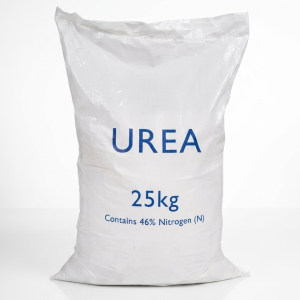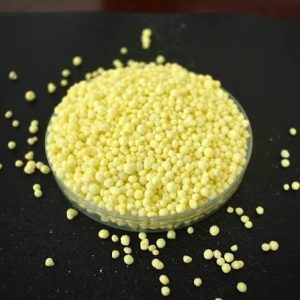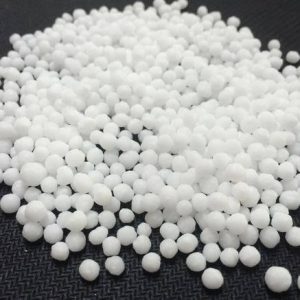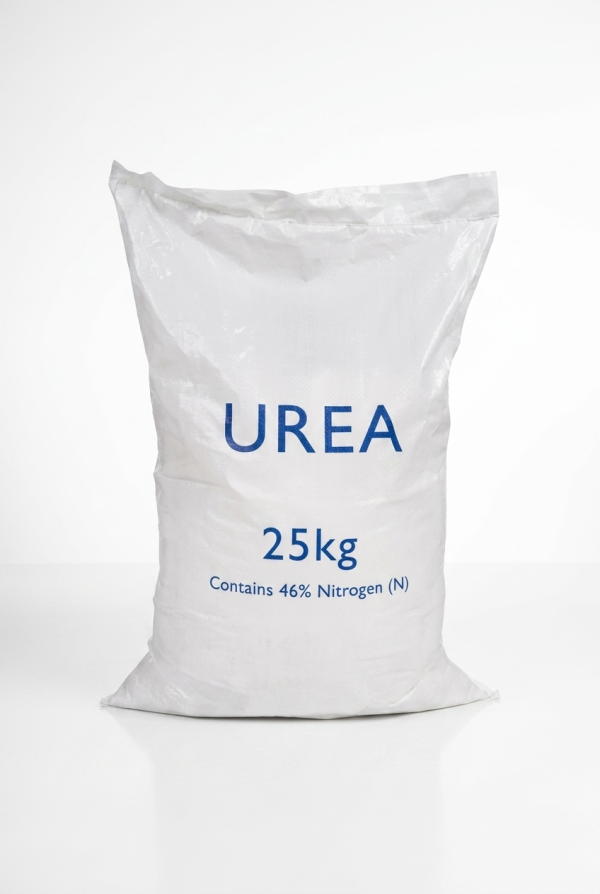
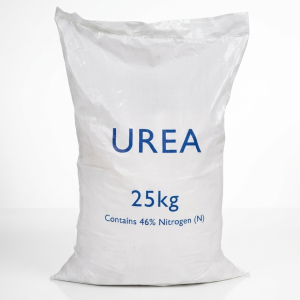
Prilled Urea 46% (Coated)
| Product Name | Coated Prilled Urea |
|---|---|
| Group | Prilled Urea |
| Particle Size | 1 to 2 mm |
| Biuret | 0.85 percent |
| Formaldehyde | 0.12 percent |
| Equivalent Grades | Agricultural Prilled Urea |
| Appearance | Granular (Spherical Prill) |
| HS Code | 31021000 |
| Packaging Type | Break Bulk or Jumbo Bags from 50 to 1000 kg |
| Supplier | MizanPetroGas |
| Contact | 09155118931 (Direct WhatsApp Contact) |
- Description
Description
Coated Prilled Urea
Agricultural Grade — 46% Pure Nitrogen, Fine Size 1-2 mm, Ultra-fast Solubility, Coated for Gradual Release — Supplier: MizanPetroGas
Product Introduction
Coated Prilled Urea, also known in domestic and international markets as Agricultural Prilled Urea or Formaldehyde-treated Urea, is a highly efficient and powerful nitrogen-based fertilizer. With its 46% pure nitrogen content, it holds a special place in the agricultural industry and beyond. This material is produced through a specialized prilling process, where molten urea droplets fall from the top of a prilling tower and solidify into small, uniform spherical particles upon contact with a cool airflow.
The small, uniform size of the prilled urea supplied by MizanPetroGas (1 to 2 mm) results in a significantly higher surface area compared to granular urea. This feature means faster dissolution in water and immediate, efficient nutrient transfer to plant roots. The surface coating, containing 0.12% formaldehyde, acts as an anti-caking agent and a mild urease inhibitor, helping to maintain excellent flowability while controlling the nitrogen release rate in the soil.
Due to its robust and uniform physical structure, this grade of urea is highly suitable for handling, storage, and transportation. Furthermore, its non-toxic nature ensures it poses no risk to mammals or birds, making it a widely used environmentally friendly product in agriculture and forestry. Its high resistance to premature decomposition or evaporation during rainfall extends the fertilizer’s effectiveness in the soil and reduces the need for frequent applications—making it an economical and cost-effective choice for farmers and agricultural industry professionals.
MizanPetroGas | 09155118932 | sell@mizanpetrogas.com
Pricing and Purchasing Coated Prilled Urea
Given the continuous fluctuations in global oil and natural gas markets (the primary feedstock for urea production) and supply and demand conditions, the price of coated prilled urea is constantly changing and does not have a fixed rate. Additionally, logistics, maritime shipping, and land transport costs vary depending on the final destination and delivery terms (FOB, CFR, FCA). To monitor price trends, you can examine the chart provided in this section. To receive daily price inquiries, specialized consulting, and to place an order, please contact MizanPetroGas sales experts.
Technical and Structural Overview
Coated Prilled Urea is an organic compound with the chemical formula CO(NH₂)₂, produced through a prilling process involving the free-fall of molten urea droplets in a cooling tower. The output of this process is small spherical particles with a size of 1 to 2 mm and a smooth, polished surface. Unlike the granulation process, which produces larger (2-4 mm) and more irregular particles, the prilling process results in perfectly spherical, uniform, and dense grains.
The surface coating applied to this grade contains 0.12% formaldehyde, which mainly acts as an anti-caking agent, preventing particles from sticking together during long-term storage. This coating also functions as a mild urease inhibitor, moderating the rate of urea hydrolysis to ammonia in the soil. This gradual release feature is a key advantage over completely uncoated urea, as it prevents nitrogen loss through ammonia volatilization and increases fertilizer application efficiency.
The biuret content in this grade is 0.85%, which is a perfectly standard and acceptable limit for agricultural use. While biuret concentrations above 2% can cause toxicity for some sensitive plants, the 0.85% level makes this product completely safe for a wide range of field crops and orchards.
Key Features
- Very high nitrogen content (46%)
- Uniform spherical particles (1-2 mm)
- Ultra-fast dissolution in water
- Anti-caking coating (0.12% formaldehyde)
- High surface area
- Controlled biuret (0.85%)
- Gradual nitrogen release in soil
- Excellent flowability
- Non-toxic and safe for the environment
- Resistant to evaporation and loss
- Compatible with other fertilizers
- Suitable for agriculture and livestock
Benefits
46% Nitrogen — Highest Concentration
The highest nitrogen percentage among solid fertilizers, providing a rich, concentrated, and highly cost-effective source for crop nutrition.
Ultra-fast Solubility
Fine 1-2 mm particles with an extensive surface area ensure instant dissolution in water and maximize plant nutrient uptake.
Smart Gradual Release
Formaldehyde coating and the requirement for microbial decomposition before uptake manage nitrogen release over a longer period.
Durability in Soil
High resistance to ammonia evaporation and loss from rainfall ensures long-term fertilizer effectiveness.
Easy Handling and Logistics
Uniform shape, excellent flowability, and anti-caking coating make loading, unloading, and application simple and cost-efficient.
Reliable Supply by MizanPetroGas
Guaranteed authenticity, consistent technical specifications in every shipment, and full logistical support for domestic and export markets.
Applications and Target Industries
Agriculture and Horticulture
Nitrogen Base Fertilizer
Primary nitrogen source for field crops (wheat, corn, rice, sugar beet) and orchards with 46% nitrogen, ideal for vegetative growth stages.
Controlled-Release Fertilizer
Formaldehyde coating requires microbial breakdown before uptake — gradual nitrogen release over a longer period.
Fertigation
Instant dissolution in water allows for direct injection into drip, sprinkler, and irrigation systems.
Foliar Spray
Suitable for leaf application for rapid uptake and correcting nutritional deficiencies during critical growth stages.
Fertilizer Blending
Highly compatible with other fertilizers (potassium chloride, phosphates) — resistant to breakdown during mixing, creating stable compounds.
Liquid and Suspension Fertilizers
Main nitrogen component in the formulation of liquid fertilizers (UAN) for large-scale agricultural use.
Non-Agricultural Industries
Deicing Agent
Melts snow and ice on airport runways and roads down to -6°C — a safe and non-corrosive alternative to road salts.
Animal Feed
Non-protein nitrogen (NPN) source in ruminant diets (cattle and sheep) to improve digestion and reduce feed costs.
NOx Emission Control
Used in industrial diesel engine SCR systems to reduce nitrogen oxide emissions and protect the environment.
Pharmaceutical Industry
Used in chemical processes to produce medications, topical ointments, and therapeutic products.
Resin and Glue Production
Raw material in the synthesis of urea-formaldehyde (UF) resins for the wood, laminate, and compressed board industries.
Basic Chemical Industry
Chemical intermediate for producing various compounds including hydrazine, cyanuric acid, and melamine.
Target Audience
Farmers and Growers
Producers of field crops (wheat, corn, rice, sugar beet) and orchard owners on both small and large scales.
Agro-industrial Companies
Large agricultural units and industrial greenhouses with advanced fertigation systems.
Blended Fertilizer Producers
Formulation plants and manufacturers of NPK blends and liquid fertilizers (UAN).
Livestock and Dairy Farms
Animal feed suppliers and ruminant nutritionists.
Road and Airport Authorities
Managers responsible for road and runway maintenance in cold regions for deicing operations.
Merchants and Suppliers
Sellers and distributors of agricultural inputs and raw chemical materials in domestic and export markets.
Prill vs. Granule: Why Choose Prilled Urea?
Choosing between prilled urea and granular urea depends on your specific needs. Below are the key differences:
Particle Size
Prill: 1-2 mm (finer)
Granule: 2-4 mm (coarser)
Smaller particles = higher surface area and faster dissolution.
Solubility
Prill: Ultra-fast — ideal for fertigation and foliar spraying
Granule: Fast — suitable for direct soil spreading
Uptake Rate
Prill: Faster uptake due to higher surface area
Granule: More gradual uptake with longer durability
Prilled urea, due to its high dissolution rate and uniform spreading capability, is the best choice for fertigation, foliar spraying, and liquid fertilizer preparation. Furthermore, its formaldehyde coating provides more gradual release than completely uncoated urea, preventing rapid nitrogen loss.
Formaldehyde Coating: The Smart Particle Shield
The presence of 0.12% formaldehyde in the surface coating of prilled urea is a purposeful technical feature, not an impurity. This coating performs three key functions:
Prevention of Caking
Formaldehyde creates a thin layer on the particle surface, preventing moisture absorption and grain sticking in bags and silos. Result: excellent flowability even after months of storage.
Urease Inhibition
Formaldehyde slows down the activity of the urease enzyme (responsible for rapid hydrolysis of urea to ammonia). This means nitrogen is gradually available to the plant instead of being released all at once.
Reduction of Ammonia Loss
By slowing the hydrolysis process, ammonia evaporation into the atmosphere (volatilization) is prevented, and fertilizer use efficiency increases by up to 20% — more profit with less consumption.
Typical Properties Table
* Values mentioned are Typical. For precise values and analysis of each shipment, please contact MizanPetroGas technical unit.
| No. | Property | Value | Unit | Test Method |
|---|---|---|---|---|
| 1 | Total Nitrogen | 46 (Min) | wt % | ISO 5315 / AOAC 2.4.05 |
| 2 | Biuret | 0.85 (Max) | wt % | ISO 18643 / ASTM D7327 |
| 3 | Moisture | 0.50 (Max) | wt % | ISO 760 / ASTM D6869 |
| 4 | Formaldehyde | 0.12 | wt % | ISO 14184-1 |
| 5 | Particle Size | 1 – 2 | mm | ISO 8397 |
| 6 | pH (10% Solution) | 8.5 – 10.0 | — | ISO 10523 |
| 7 | Bulk Density | 0.73 – 0.76 | g/cm³ | ISO 3944 |
| 8 | Melting Point | 132 – 135 | °C | ISO 11357-3 |
| 9 | Appearance | White Spherical Prill | — | — |
| 10 | HS Code | 31021000 | HS Code | — |
| 11 | Packaging | Break Bulk | Jumbo Bag 50-1000 kg | — | — |
⚠️ Note: Please contact MizanPetroGas technical experts to receive the Certificate of Analysis for each shipment and ensure it meets your specific requirements. Chemical parameters may have slight variations depending on the production batch.
Performance Concept Chart
| Nitrogen Content | Excellent (46%) | |
| Water Solubility | Ultra-fast | |
| Agricultural Suitability | Ideal | |
| Fertigation Suitability | Excellent | |
| Foliar Spray Suitability | Excellent | |
| Animal Feed Suitability | Good | |
| Nitrogen Gradual Release | Very Good | |
| Storage Stability | Very Good | |
| Flowability | Excellent | |
| Anti-caking Resistance | Very Good | |
| Environmental Safety | Excellent | |
| Particle Uniformity | Excellent (1-2 mm) |
Packaging, Logistics, and Delivery Terms
To meet our customers’ diverse needs, this product is packaged and shipped in two main formats:
Break Bulk
Direct loading without retail packaging into ship holds or transport vehicles. Ideal for high-tonnage orders (1000+ tons) and completely cost-effective.
Jumbo Bags
Packaged in 50 to 1000 kg large bags placed in 20 or 40-foot containers. Excellent protection against moisture and weather conditions.
Incoterms:
- FCA — Free Carrier at origin
- Ex-Warehouse — Ex-Works MizanPetroGas warehouse
- FOB — Free On Board at port of origin
- CFR — Cost and Freight to destination port
Storage and Handling Conditions
- Store in a dry, cool, and well-ventilated area — away from direct sunlight and heat sources.
- Prevent contact with moisture and water — Urea is hygroscopic, and high humidity causes caking and quality loss.
- Recommended storage temperature: 5 to 35 degrees Celsius — higher temperatures can lead to decomposition and ammonia release.
- Keep away from strong oxidizing agents, acids, and flammable materials.
- Maximum storage duration: 12 months under ideal conditions (without quality degradation).
- Use wooden or plastic pallets to prevent direct contact with the floor and moisture ingress.
- Maintain proper warehouse ventilation to prevent the accumulation of potential ammonia gas.
- The formaldehyde coating provides greater resistance against caking during long-term storage.
Buy and Inquire About Coated Prilled Urea
To inquire about daily prices, warehouse stock, receive the Certificate of Analysis, and guarantee product authenticity from MizanPetroGas, contact our sales experts today.
+989155118931 – Direct WhatsApp Contact
Sales Department Email: sell@mizanpetrogas.com | Ex-Warehouse Delivery + Fast Shipping Nationwide and Exports